Space
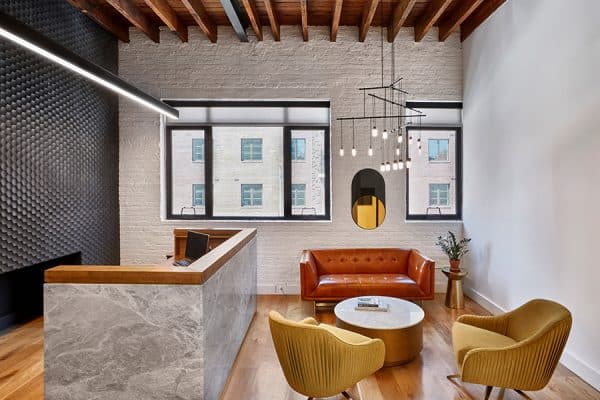
One of the most underlying aspects of interior design is the amount of space available. The whole foundation of interior design is sourced from the area open. The space within a home can be broadly classified into two main types, two-dimensional spaces, and three-dimensional spaces. The two-dimensional spaces consist of the length and breadth of the floor, while the latter consists of length, width, and height of living rooms. There should be an equilibrium achieved when utilizing such space, that is not too overcrowd the space with furniture causing a congested atmosphere and not to skimp out on adequate décor creating a sense of dullness and emptiness.
Line
Lines integrate a sense of contrast, creativity, and harmony as it determines various shapes and sizes within the available space. Such visual structures are of three main types, horizontal, vertical and dynamic. Horizontal lines are used for structures like tables, chairs, while vertical lines are intended for windows, doorways and dynamic lines add a sense of innovation on structures such as stairs.

Forms
Indicative of its name, forms refer to shapes that can be depicted in three-dimensional spaces. It can be further accentuated by factors such as color, texture, and combination of patterns. Forms add a sense of balance and harmony into the structure. Forms are of mainly two types, geometric and natural.
Light
A significant factor enhancing the presence of all other elements is light. Light can be sourced from either human-made or natural sources. Light is imperative to add significance and ambiance within the living space. Natural light entering can be traced from openings such as windows whereas human-made sources can be classified into three, task lighting, accent lighting, and mood lighting. Task lightings are intended to serve specific purposes such as bedroom lighting, accent lighting is designed to highlight sculptures, artwork, etc. and mood lighting is indicative of its name to highlight the overall ambiance of the space.

Color
Color is of vital importance in interior designing, as it adds a sense of aesthetic appeal between objects and determines the mood. Bear in mind; colors should be identified with absolute care and based on the characteristics and intensity each color possesses.
Texture
Texture refers to how the surface appears visually and how it feels. The composition of a surface inside a living space adds a sense of depth, consistency, mood, and outlook. Texture can be broadly classified into two types, visual texture, which can only be seen and actual texture which can both seen and felt.
Pattern
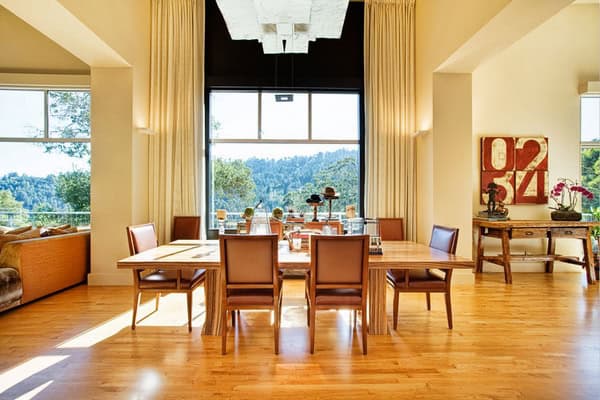
Patterns or shapes add a sense of smooth, continuity, life and interest to the living spaces within households. Moreover, patterns work well with the other elements in the area such as colors. Patterns can exist anywhere from surface décor to pillow covers.